
EV Applications
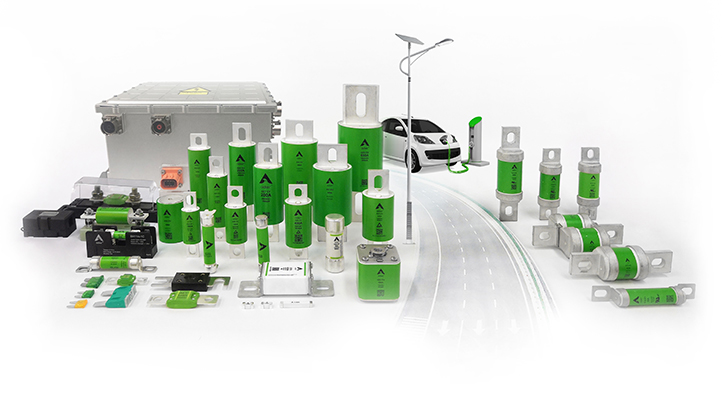
EV
Lorem ipsum dolor sit amet, consetetur sadipscing elitr, sed diam nonumy eirmod tempor invidunt ut labore et dolore magna aliquyam erat, sed diam voluptua. At vero eos et accusam et justo duo dolores et ea rebum. Stet clita kasd gubergren, no sea takimata sanctus est Lorem ipsum dolor sit amet. Lorem ipsum dolor sit amet.
In the rapidly evolving landscape of electric vehicles (EVs), the importance of robust and reliable electrical components cannot be overstated. Fuses, often considered simple protective devices, play a critical role in ensuring the safety, efficiency, and longevity of EV systems. Unlike traditional internal combustion engine (ICE) vehicles, EVs operate with high voltage and current levels, necessitating specialized fuses designed to handle these demanding conditions. The primary function of fuses in EVs is to protect electrical circuits from overcurrent and short circuits, which can cause significant damage to components and even pose safety risks to passengers.

The Critical Role of Fuses in Electric Vehicles
Innovations in Fuse Technology for EVs
The increasing complexity and power requirements of EVs have driven significant innovations in fuse technology. Traditional fuses, which were adequate for lower voltage and current applications, are often insufficient for the high demands of modern EV systems. As a result, manufacturers have developed advanced fuse designs specifically tailored to EV applications, incorporating new materials, technologies, and design principles.
One of the most notable advancements is the development of solid-state fuses. Unlike conventional fuses that rely on a physical metal filament to melt and break the circuit, solid-state fuses utilize semiconductor components to interrupt the circuit electronically. This technology offers several advantages, including faster response times, higher precision, and the ability to reset after a fault is cleared, reducing maintenance and downtime. Solid-state fuses also provide more consistent protection across a wide range of temperatures and electrical conditions, making them ideal for the diverse and demanding environments encountered in EV operation.
Another significant innovation is the integration of smart fuse technology. Smart fuses incorporate sensors and microcontrollers to monitor electrical parameters in real-time, allowing for dynamic protection and improved fault diagnosis. These fuses can communicate with the vehicle’s onboard diagnostics system, providing detailed information about the nature and location of faults. This capability not only enhances safety but also aids in predictive maintenance, reducing the likelihood of unexpected failures and extending the lifespan of the vehicle’s electrical components.
Lorem ipsum dolor sit amet, consetetur sadipscing elitr, sed diam nonumy
Duis autem vel
Ut wisi enim ad minim